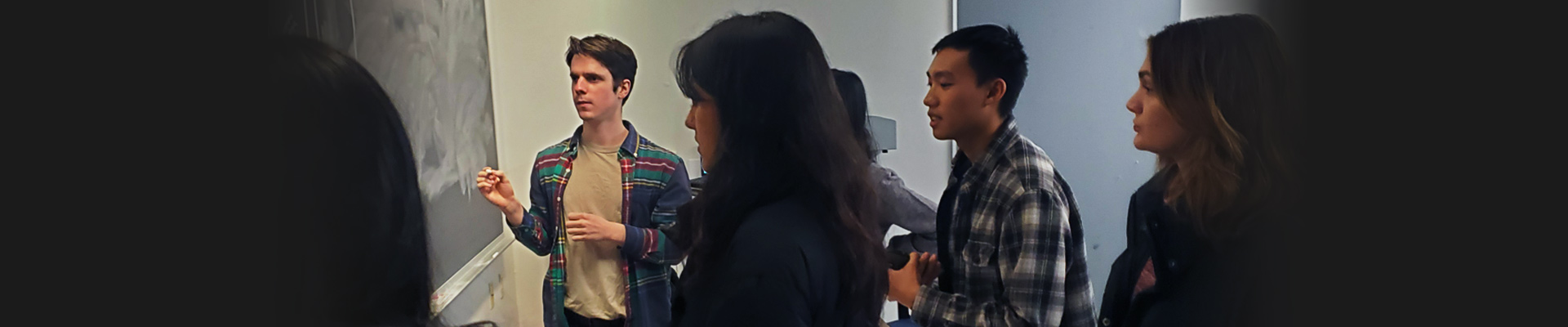

Case Story
Deepening the Learner-Centeredness of Design Education:
Refreshing My Entire Approach for Teaching 'IXD Principles'
- Role
- Adjunct Faculty / Course Designer, Interaction Design Foundations
- Institution
- Northeastern University, College of Arts, Media and Design
- Timeframe
- Fall 2023 – Spring 2025 (3 semesters taught)
- Audience / Learners
- Sophomore and Junior undergraduate students in Design, Marketing, and Engineering
- Focus Areas
- Design Education, Inclusive Learning, UX Foundations, Tangible & Social Design
- Key Contributions
-
- Rebuilt course content and structure to reflect real-world UX practice
- Incorporated inclusive and neurodiversity-aware teaching strategies
- Designed new assignments, projects, and in-class simulations
- Mentored students beyond coursework in internships and professional design work
- Strategic + Educational Impact
-
- Transformed a rigid, inherited curriculum into a dynamic, student-centered learning experience
- Introduced alternative pedagogical approaches informed by critical design and inclusive learning theory
- Moving Forward
-
- Planning to teach this course and others again with continued refinements
- Exploring opportunities to apply this redesign methodology to other institutions or curriculum development efforts
Client
Northeastern University | College of Art, Media and Design — https://camd.northeastern.edu/ — Boston, Massachusetts
I was invited to teach “Interaction Design Foundations,” a key undergraduate course for students in Design, Marketing, and Engineering. My role included not only instruction but also adaptive course leadership.
“Interaction Design Foundations” Course Description
Background
Starting in Fall 2023, I was given an inherited syllabus and set of materials just over a week before classes began. With little preparation time and no prior experience with Northeastern’s Canvas LMS, I had to quickly familiarize myself with the platform and course expectations. Leaning on my decades of experience as a UX practitioner and design educator, I approached the course with improvisation, adaptability, and learner-centered responsiveness.
Teaching Philosophy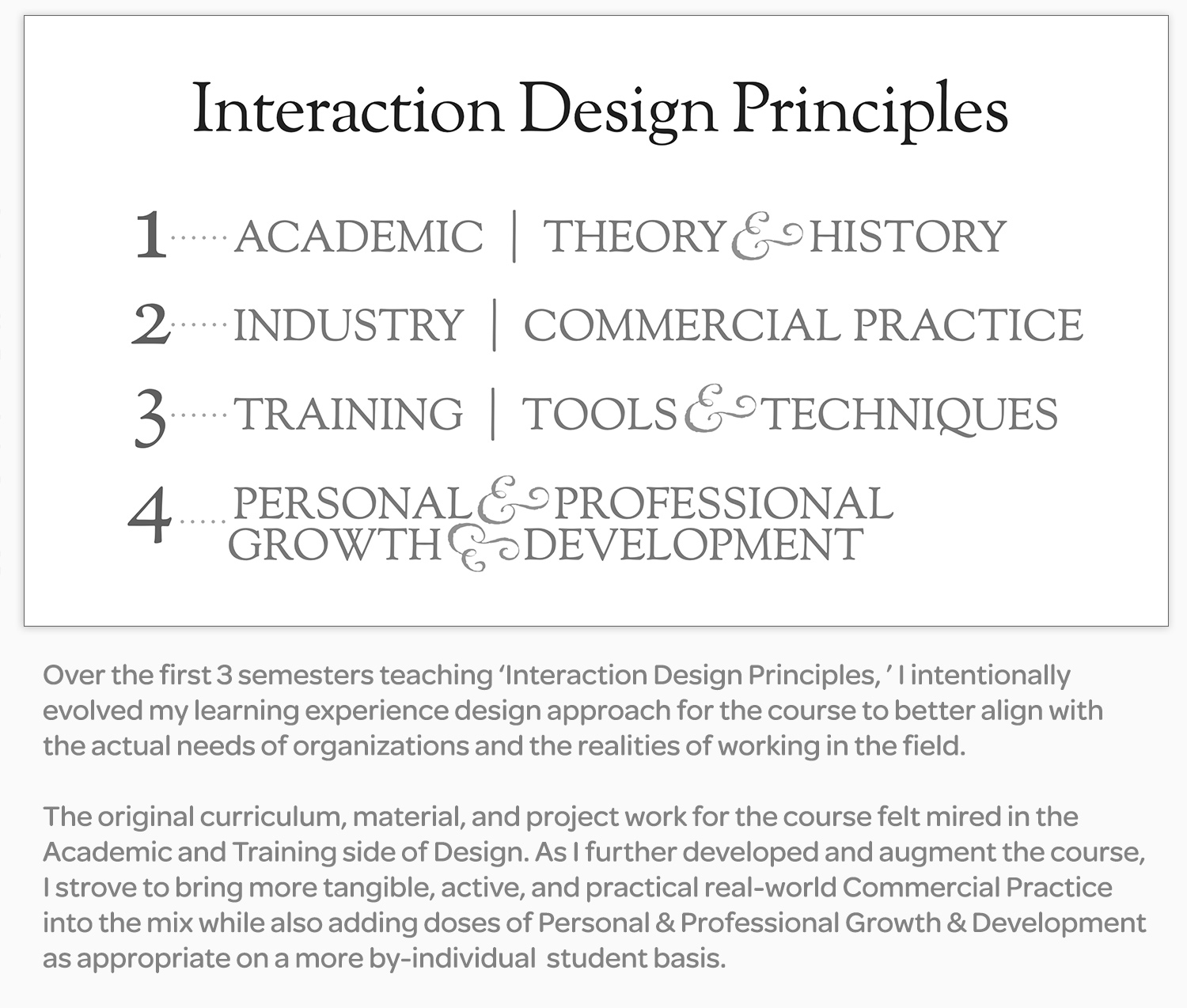
As a design educator, my teaching philosophy is grounded in the following core principles:
- Structure and organize all course materials, resources, activities, and projects to immersively engage the learning community made up of students with diverse thinking styles, interests, and abilities.
- Align classroom culture and collaborative work with how real-world design teams operate—offering dynamic, experiential learning that reflects both the creative potential and the messy realities of working in the field.
- Customize the learning experience to flexibly support individual growth while also nurturing group-based collaboration and shared learning across a full-semester journey.
Problem
The original version of the course was overly rigid and prescriptive — structured around teacher-fabricated tasks that lacked resonance with real-world design practice. Students weren’t being exposed to the messiness, collaboration, and ambiguity inherent in UX work. Additionally, the structure wasn’t inclusive of diverse learning styles or neurodiverse experiences.

Meet The Learners
By the time I entered my third semester teaching Interaction Design Principles, I had developed a deeper understanding of the learning culture at Northeastern — and a more holistic awareness of the learners at CAMD. These were not just students, but emerging design thinkers, each with unique communication styles, lived experiences, and creative ambitions.
The course consistently draws undergraduates from design, marketing, and engineering — students who bring a wide range of perspectives and needs. Some are confident collaborators, while others are more introverted or still building trust in group settings. Every semester, I noticed that several students were navigating challenges related to attention, anxiety, mood, or neurodivergent ways of thinking. It became clear that a one-size-fits-all approach would never serve this diverse group well.
This insight informed my decision to redesign the course.
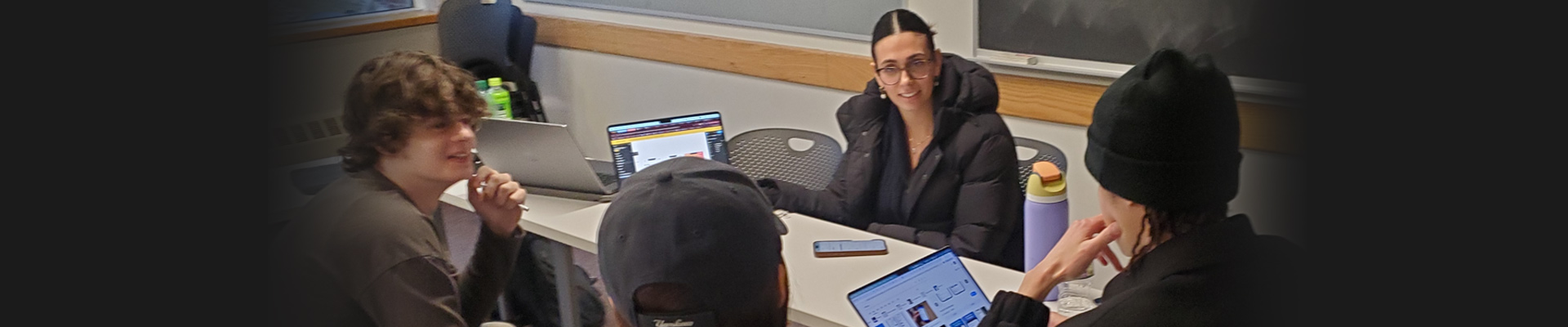
Designing for these learners meant creating a classroom experience that was not only inclusive and adaptive, but also reflective of real-world design practice — messy, collaborative, fast-paced, and full of ambiguity. The more I aligned my approach with their lived needs, the more the course evolved into a co-designed experience — one that empowered every learner to grow.
Proposed Solution
Rebuild the course from the inside out, retaining valuable foundational readings but transforming the weekly rhythm, assignments, and in-class experiences. My approach would draw from contemporary UX practice, socially engaged design, and inclusive pedagogy, giving students a truer sense of what it means to be a designer practicing out in the field today.
Process
Fall 2023 & Spring 2024
Delivered the course based on the inherited framework, making adaptive, real-time adjustments to improve clarity and engagement. Used these semesters as a live research phase to gather feedback and observe patterns.
 Spring 2025
Fully re-developed the course’s learner-centered experience
- Modernized all 3 major projects to be more real-world, tangible, and team-driven
- Loosened the week-to-week structure to allow for improvisation and self-directed exploration
- Designed in-class exercises as simulations and collaborative live performances
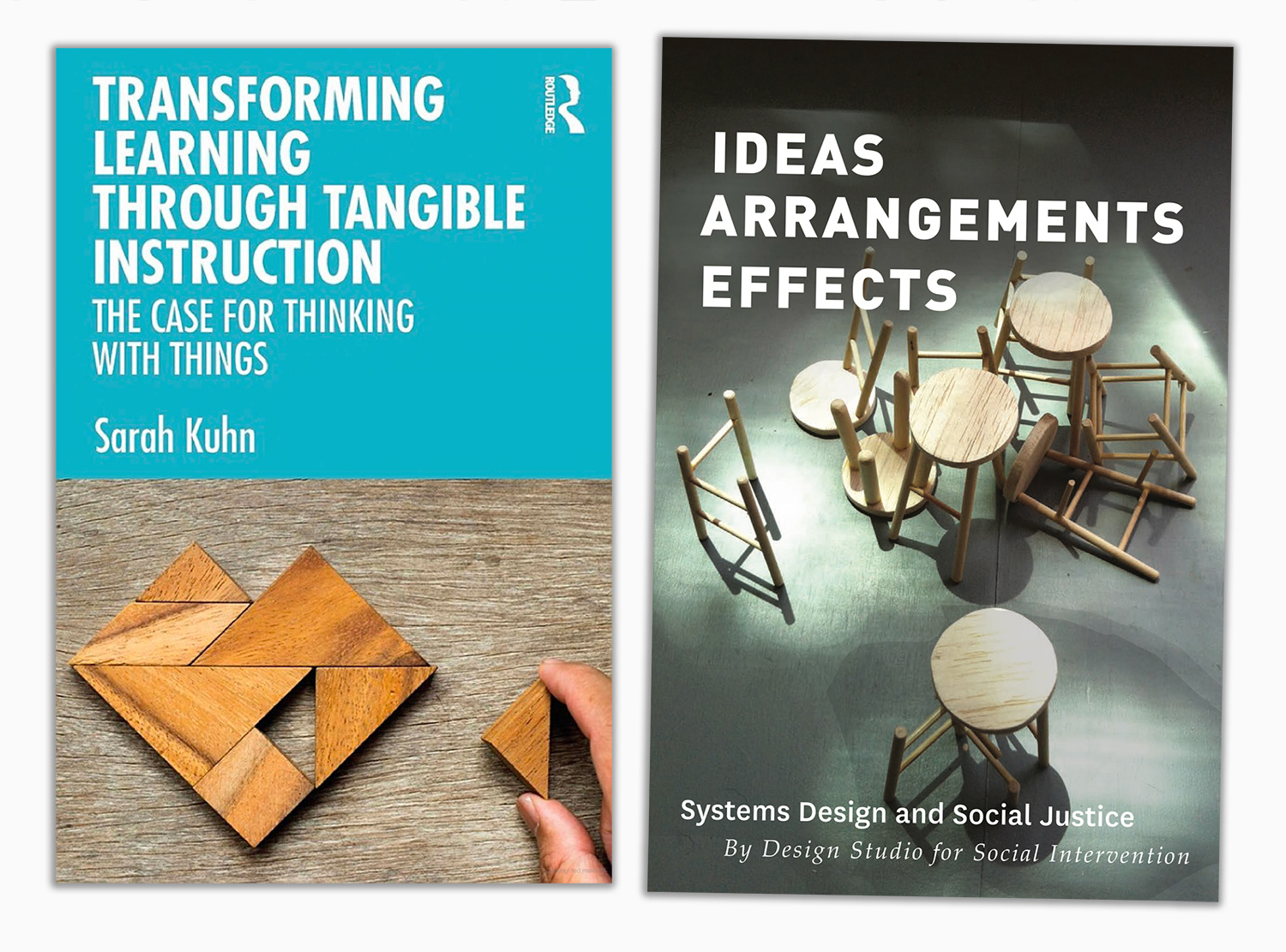
- Incorporated alternative teaching frameworks from Thinking With Things by Sarah Kuhn and Ideas, Arrangements, Effects by DS4SI
- Built a culture of openness and experimentation, giving students permission to bring their passions and ideas to the forefront
- Integrated student feedback cycles throughout the semester using Canvas
Solution
The redesigned course created space for:
- Messier, more transmedia and ‘materialized,’ more meaningful design explorations
- Ongoing dialogue between student interests and course structure
- Critical inquiry and inclusive design practices that extend beyond the bounds of traditional UX education
- Deeper and more personal self-exploration through open-ended, student-driven project work
- Opportunities for one-on-one coaching that supported students' personal and professional growth beyond the classroom
- Breaking down artificial academic ‘permission systems’ to empower students to fully explore their unique creative superpowers
Student Voices
I got to be a PM for the Spotify Social Integration group ... it was exciting and fast paced, similar to a real office environment. Overall, the exercise showed our team that coming up with a lot of ideas is good, but we need to be able to hone down and focus on the actual deliverables. In addition, working in a fast-paced environment needs moments of stepping back and reflecting.
I thought this in-class activity was a helpful simulation to what it is like to work in the design field, and from that I derived insight into my thought process when actively collaborating with in a team context ... It took our team 5 or 10 minutes to get into the full momentum of designing and ideating together, I think because we needed to warm up to one another and see how the team, as a whole, thinks and collaborates.
I have been absolutely loving the energy of the course! I personally love how much we have been communicating amongst ourselves and really getting to interact with one another throughout the sessions, and how passionate you are about teaching and about us.
Outcomes & Lessons Learned
- Student feedback highlighted increased engagement, enjoyment, and real-world relevance
- Some students initially found the flexibility disorienting, sparking valuable conversations about ambiguity in design work
- Real-time, open-ended reflection prompts proved far more insightful than TRACE surveys, helping me adapt the course based on students’ evolving needs
- Learner-centered design empowered students to take greater ownership of their education and creative development
- Ongoing one-on-one coaching fostered deeper mentorship and supported student growth beyond the classroom
Impact
- Developed a flexible, evolving teaching model that better mirrors the realities of contemporary UX practice
- Applied inclusive pedagogical strategies to make the course more welcoming and accessible for neurodivergent and differently-abled learners
- Redesigned the learning environment to support a broader range of cognitive styles, including those navigating ADHD, anxiety, and mood-related challenges
- Strengthened the connection between real-world design practice and design education, preparing students more effectively for professional environments
Moving Forward
I plan to teach this and similar courses again — both at Northeastern and beyond — applying what I’ve learned to enhance future offerings. I’m also actively seeking opportunities to co-develop curriculum with other institutions, using this experience as a model for responsive, inclusive, and industry-relevant design education.